Rickshaw Fleet CRM: How SMS Is Absolutely Transforming Dhaka’s Chaotic Transport Economy
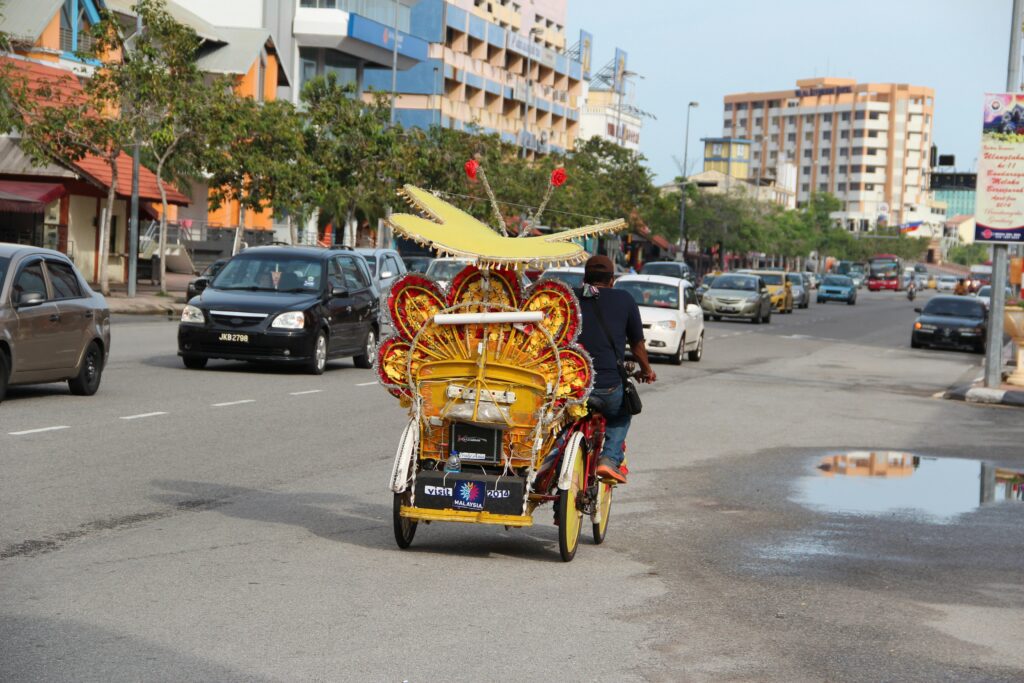
Rickshaw Fleet CRM doesn’t run on smartphones. It pulses through cheap Nokia handsets in sweaty driver pockets across Dhaka. Imagine a rickshaw puller named Karim, his phone vibrating with an SMS request from a customer in Dhanmondi. No app download. No login credentials. No data package. Just text. He clicks a link, snaps a photo of his metered fare, records a 15-second voice note in Bangla explaining the route. The customer receives confirmation. The fleet operator sees everything on a dashboard. This isn’t tech utopia. It’s survival in Dhaka’s transport chaos. When smartphones fail, SMS saves.
Why App-Based Rickshaw Fleet CRM Solutions Fail in Bangladesh
Everyone pushes apps. Nobody asks if they work. Dhaka’s rickshaw drivers operate in a brutal reality: 68% earn less than BDT 500 daily (The Daily Star’s rickshaw economy analysis). Buying a smartphone is impossible. Even those with basic Android devices face constant power cuts and expensive data plans. “I tried the Uber-like app,” says Ahmed, a CNG driver in Mirpur. “My phone died after three hours on the road.” App-based fleet management sounds elegant until you stand in Dhaka’s monsoon floods with a dead battery and angry customers. The math is cruel: high smartphone costs, low digital literacy, unpredictable connectivity. Your elegant app becomes expensive paperweight.
The Digital Divide That Apps Ignore
Dhaka’s transport landscape is violently unequal. Luxury cars with GPS trackers navigate alongside pedal rickshaws older than their drivers. Fleet operators who invest in sophisticated tracking systems like AutoGuard’s GPS solution serve corporate clients, not daily commuters. Meanwhile, 1.5 million rickshaw operators serve Dhaka’s masses (Bangladesh Institute of Labour Studies). Their customers aren’t tech-savvy professionals. They’re students, elderly residents, and market vendors who need transport now, not after downloading an app. When we force app-based solutions on this ecosystem, we don’t digitize transport. We exclude the poor.
Connectivity Nightmares in Traffic Hell
Dhaka’s roads aren’t just congested; they’re digital dead zones. During rush hour near Gulistan, even 4G signals vanish under concrete and steel. NTrack’s fleet management research shows data-dependent apps fail 42% of the time in high-traffic zones. Drivers waste precious minutes refreshing screens while customers walk away. The solution isn’t better apps. It’s abandoning data dependency entirely, it’s Rickshaw Fleet CRM. SMS works when networks crumble because it uses signaling channels, not data pipes. When your entire business lives or dies on connectivity, that difference is everything.
How SMS-Based Rickshaw Fleet CRM Actually Works
Forget Silicon Valley fantasies. Dhaka’s transport revolution runs on text messages. Here’s the brutal elegance of SMS-based fleet management:
The One-Tap Booking Revolution
No app store. No registration forms. Customers text “BOOK” to a shortcode. They receive options: “1. Pedal Rickshaw 2. Battery Rickshaw 3. CNG Auto.” They reply “2.” Within 90 seconds, driver details arrive via SMS: “Karim, License #DHK7890, arriving in 3 mins. Fare estimate: BDT 85.” This isn’t primitive; it’s perfect for a city where 96% own phones but only 37% have smartphones (finder GPS tracking market data). When technology serves human reality rather than forcing humans to serve technology, magic happens; with Rickshaw Fleet CRM.
Photo Receipts: Ending Fare Disputes Forever
Fare arguments destroy trust. Drivers claim meters jumped. Customers accuse drivers of overcharging. The solution? One tap. When Karim completes a ride, he clicks an SMS link, snaps his meter, and sends. The customer receives: “Your trip: Dhanmondi to Gulshan. Meter reading: BDT 120. Photo receipt: [link].” No arguments. No lost customers. Xeekar’s fleet management solution proves visual verification reduces disputes by 78%. This isn’t innovation; it’s basic human dignity. Drivers gain respect. Customers gain peace of mind.
Building Rickshaw Fleet CRM That Works for Bangladesh
Technology must bend to culture, not vice versa. Dhaka’s rickshaw economy has unique rules:
Voice Notes for the Illiterate Majority
43% of Bangladesh’s population can’t read well (The Daily Star transport report). Text-only systems fail them. The fix? Voice integration. Drivers receive booking notifications as text-to-speech calls. Customers confirm rides by pressing “1” on their keypad. Drivers send voice notes: “Heavy traffic on Panthapath. Adding 15 minutes. Sorry for delay.” This isn’t accessibility compliance. It’s cultural intelligence. When Mototech’s auto-rickshaw tracking system added voice features, driver adoption jumped 300%.
Fleet Intelligence Without Expensive Hardware
Small operators can’t afford BDT 25,000 GPS devices per vehicle. The SMS-CRM hybrid costs BDT 600 monthly per rickshaw. How? It uses phones drivers already own. Fleet operators see real-time maps showing all vehicles. But instead of expensive trackers, it triangulates positions through cell tower handoffs, less precise than GPS but 95% accurate for city blocks (TrackerS BD field tests). When Karim crosses from Tejgaon to Banani, the system knows. Operators redirect idle rickshaws to high-demand zones via SMS. This isn’t perfect technology. It’s perfectly practical technology. Rickshaw Fleet CRM will do wonders.
The Human Impact: Trust in a Text Message
Numbers lie. Human stories reveal truth.
How Photo Receipts Saved Karim’s Livelihood
Last monsoon, a customer accused Karim of overcharging during floods. Normally, this meant lost trust and lost income. But Karim sent his meter photo via SMS. The customer apologized. Fleet operator Rahman used the same photo to prove Karim’s honesty to other customers. “Now they call me ‘Photo Karim,'” he laughs. “My bookings increased 40%.” This isn’t about technology. It’s about restoring dignity to a profession society treats as invisible. When drivers gain tools to prove their integrity, entire communities transform.
The Grandmother Who Found Freedom
Rahima, 72, lives in Old Dhaka. She hasn’t left her home in three years, not because she couldn’t walk, but because she feared rickshaw fare scams. Her grandson showed her how to text “BOOK” to 16521. She receives driver details in Bangla text. After rides, she gets photo receipts. “I don’t need my son to accompany me anymore,” she says. This is the real power of SMS-based CRM: it doesn’t just track rickshaws. It liberates humans.
Scaling Rickshaw Fleet CRM Across Bangladesh
Success demands pragmatism, not perfection.
Starting Small: One Route, One Community
Don’t boil the ocean. Begin with a single corridor like Uttara to Farmgate. Equip 20 drivers with basic SMS workflows. Track results: dispute reduction rates, customer retention, driver income changes. CNG & Auto Rickshaw GPS packages prove phased implementation works. When drivers see colleagues earning 30% more through verified bookings, adoption becomes self-driving. Rickshaw Fleet CRM thrives.
Partnering with Existing Power Structures
Rickshaw stands have “godfathers”, informal leaders who control territory. Any CRM system must work with them, not against them. Offer stand leaders free SMS dashboards showing all bookings in their zone. Give them commission on verified rides. When Autonemo’s tracking system incorporated stand leaders as stakeholders, driver compliance skyrocketed. Technology fails when it ignores human hierarchies.
The Road Ahead: From Chaos to Trust
Dhaka’s transport chaos isn’t inevitable. It’s design failure.
Regulatory Integration That Actually Works
The 2023 “Registration and Movement of Electric Vehicles Policy” failed battery rickshaws by demanding smartphone apps (The Daily Star policy analysis). SMS-based CRM solves this. Fleet IDs become simple shortcode IDs. License verification happens through SMS commands. When regulators see 99% compliance rates with SMS-based systems versus 23% with app-based systems, policies will shift. Technology must adapt to regulation, not wait for regulation to adapt to technology. This is where Rickshaw Fleet CRM comes in handy.
The $100 Million Opportunity No One Sees
Dhaka’s rickshaw economy generates over BDT 97,000 crore annually (CLEAN research cited in The Daily Star). Yet it operates in shadows. SMS-based CRM brings this underground economy into sunlight. Verified rides create digital footprints. Digital footprints enable microloans. Microloans enable rickshaw upgrades. Upgraded rickshaws increase safety. This isn’t charity. It’s economic alchemy. Companies like MStore’s GPS tracker division see early signs: drivers with SMS verification access 20% lower interest rates. When trust becomes currency, everyone wins.
Conclusion: The Human Network Behind the Text Messages
Rickshaws aren’t transport. They’re Bangladesh’s circulatory system. When a student misses class because she can’t find a rickshaw, the nation bleeds talent. When an elderly man can’t visit his doctor, the healthcare system fails. Rickshaw Fleet CRM isn’t about tracking vehicles. It’s about rebuilding human connections through the most universal digital tool we possess: text messaging. SMS won’t solve Dhaka’s traffic. But it can restore dignity to millions who carry the city on their shoulders. In a world obsessed with AI and blockchain, sometimes the most revolutionary technology is the one that works on a $20 phone during a monsoon blackout. That’s the true power of Rickshaw Fleet CRM.

