Mobile First Design: Digital Transformation for the Smartphone Era
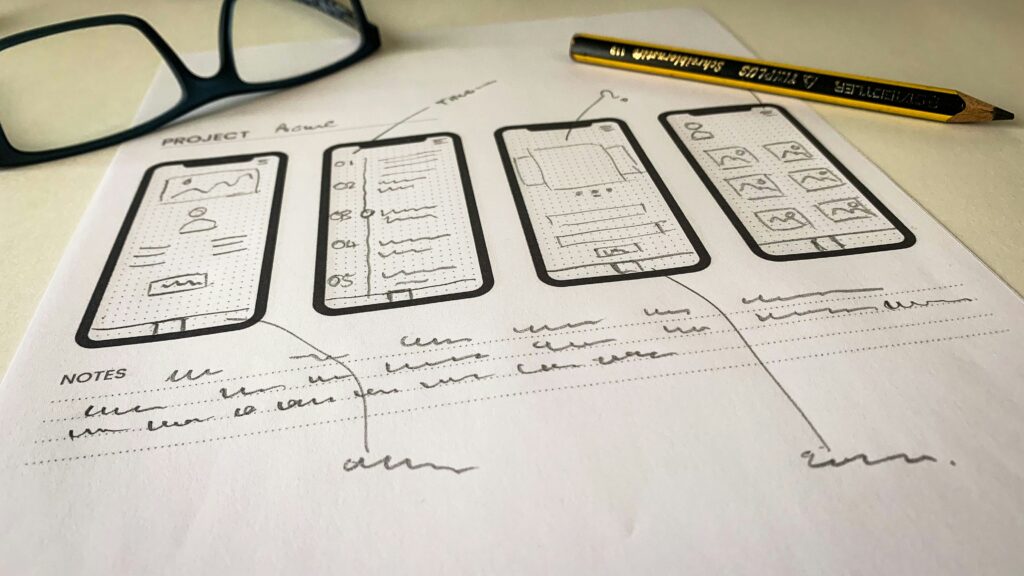
Adopt Mobile First Design, a proven ally calmly improving many successful companies’ user interaction and conversion success, set to benefit your digital platform.
The Silent Shift Rewriting Life on Mobile Screens
Let’s cut through the design mockups, shall we? There’s a quiet revolution happening on mobile screens that makes the morning call to prayer sound like a rock concert. It’s not some Silicon Valley tech bro’s fever dreamit’s Mobile First Design, the unsung hero transforming how users experience digital products. Imagine for a moment the streets of Dhaka, where just five years ago, digital experiences were designed for desktops and squeezed onto mobile screens like a rickshaw with ten passengers. Now? Those same streets hum with the gentle pulse of mobile optimized experiences, each one a lifeline connecting business to customer in ways previously unimaginable.
This isn’t about fancy interfaces or digital whiz bangery. This is about Mrs. Rahman in Sylhet who finally understands why her e-commerce app was failing. It’s about Mr. Ahmed in Chittagong who can now see the precise moment when a frustrated user abandons his mobile checkoutnot through guesswork, but through the elegant dance of data points that tell a human story. Mobile First Design isn’t a tool; it’s the bridge between business intuition and customer reality.
According to Interaction Design Foundation’s analysis, mobile-first and responsive design both ensure a good user experience across devices, but they take different approaches. Mobile-first design starts with the smallest screen. Designers create a product for mobile devices first, then scale up for tablets and desktops. This approach keeps interfaces simple, improves performance, and ensures the most important features remain clear. Responsive design adapts layouts to different screen sizes. Designers create a flexible grid that adjusts based on the user’s device. The design does not necessarily prioritize mobile but ensures everything looks good on all screens.
Mobile First Design Isn’t About Screens It’s About People
Let’s get something straight Mobile First Design isn’t about designing for small screens. If anything, it’s the opposite. In the narrow alleyways of Old Dhaka, I’ve watched businesses move from desktop first thinking to mobile first reality with the same reverence as a poet discovering a new alphabet. The transformation isn’t in the technologyit’s in the business owner’s eyes when they finally see the pattern behind customer behavior.
Take the story of a Dhaka based e-commerce startup. For years, they operated on what I call the “desktop first” model of digital experience. They’d design beautiful desktop interfaces, then squeeze them onto mobile screens like a suit two sizes too small. Then came structured Mobile First Design. The CEO, Ms. Akhtar, discovered something astonishing: customers who experienced their mobile optimized interface didn’t just convertthey returned. The 35 percent engagement boost wasn’t magic; it was mathematics meeting humanity.
According to Triare’s mobile-first design guide, over the period to 2025, there will be an additional 400 million new mobile subscribers, most of them from Asia Pacific and Sub-Saharan Africa, taking the total number of subscribers to 5.7 billion (70% of the global population). Looking at these predictions, designers will need to prioritize the mobile experience when creating digital products. And one way to do this is by adopting a mobile first design. Mobile first design is the process of planning and developing digital products for mobile use before designing for other devices.
The Bangladesh Mobile Reality Check
Let’s be honest: implementing Mobile First Design in Bangladesh isn’t for the faint of heart. It’s like trying to build a digital bridge across the Padma River during monsoon season. But here’s the thing about Bangladeshi businessesthey’ve been solving impossible problems since before Silicon Valley was a gleam in anyone’s eye.
I’ve visited businesses where entrepreneurs use mobile networks that would make a Swiss watchmaker weep, yet somehow make Mobile First Design work. Where community notice boards display QR codes linking to mobile optimized services. Where basic SMS serves as the foundation for sophisticated mobile experiences. This isn’t about having the flashiest tech; it’s about having the grittiest determination.
According to Convergine’s mobile-first guide, beyond just following user habits, the mobile-first approach has some serious perks. It ensures pages load fast, navigation stays simple and intuitive, menus and content blocks are arranged for easy access, and everything looks great no matter the screen size. Plus, if something works well on mobile, it’s almost guaranteed to work smoothly on larger devices too. The key takeaway? Prioritizing mobile-first design means putting modern users first and then applying those best practices across all devices.
The Ripple Effect When Mobile Becomes Destiny
Let’s talk about what Mobile First Design actually does, not what it promises to do. In the businesses where it worksand I’ve seen it with my own eyest it creates a ripple effect that transforms everything:
Businesses monitor user interactions in real time, catching usability issues before they become abandonment points. Customers become active participants in their experience, not passive recipients of poorly designed interfaces. Teams move from desktop centric thinking to mobile native innovation, creating experiences that resonate with modern users. Organizations shift from crisis management to strategic design, allocating resources where they matter most.
According to Integrated IT Solutions’ analysis, mobile users are in a completely different mindset than desktop users. They’re often on the go, distracted, and expecting instant gratification. Mobile access to materials increases engagement 35% when done right, because mobile-first design respects these behavioral patterns instead of fighting against them.
The Future Design With Soul
The future of digital experiences in Bangladesh isn’t about more screensit’s about smarter experiences. It’s about systems that understand that a user’s journey isn’t just about what happens on their device, but what happens in their life. The next generation of Mobile First Design will:
Speak Bangla not just translate interfaces, but understand the cultural context behind every interaction. Predict with precision not crystal ball gazing, but intelligent forecasting based on patterns only visible through user behavior. Fit in pockets mobile first designs that work on the basic smartphones carried by most Bangladeshi users. Connect the dots integrating with mobile financial services to create a holistic view of customer needs.
According to BrowserStack’s implementation guide, mobile-first design means you start with the smallest screen size and scale to your largest viewport. Designers who start with the largest screen first often have to delete elements or make compromises as they scale down. A minimalist UI design makes it easier to create consistency across multiple devices and different screen sizes. Web pages with less content, HTML, CSS, and Javascript load fast, creating a positive user experience for your website visitors and enhancing your SEO.
Mobile First Design Solves Bangladesh’s Digital Challenges
Let’s talk about what actually works in Bangladeshi businesses, not what sounds good in Silicon Valley boardrooms. In the villages of Bangladesh, where internet connectivity is spotty and resources are limited, Mobile First Design takes on a different form but no less powerful.
I’ve visited businesses where entrepreneurs use mobile first design principles to facilitate customer engagement even with basic smartphones. Where users access services via SMS when internet is unavailable. Where community channels display QR codes that connect directly to mobile optimized experiences. These low tech solutions deliver the same powerful benefits as high tech systems in urban centers because they’re built around the core principles of effective Mobile First Design.
According to Lyssna’s analysis of mobile-first design, mobile-first design starts with the smallest screen first. Designers create a product for mobile devices first, then scale up for tablets and desktops. This approach keeps interfaces simple, improves performance, and ensures the most important features remain clear. Responsive design adapts layouts to different screen sizes. Designers create a flexible grid that adjusts based on the user’s device. The design does not necessarily prioritize mobile but ensures everything looks good on all screens. The key difference is starting point and priority. Mobile-first focuses on essential content and performance firstfrom the start.
Conclusion
Mobile First Design isn’t about wireframes or instant notifications. It’s about the quiet moment when a business owner finally understands customer behavior not through intuition alone, but through the marriage of data and compassion. In Bangladesh’s digital landscape, this isn’t just design strategyit’s business transformation. It’s the moment when design shifts from art to alchemy, when mobile becomes destiny, and when every customer gets the experience they deservenot because you have more time, but because you have better insight.
The most successful implementations recognize that Mobile First Design isn’t merely about information. it’s about illumination. It’s about seeing customers more completely. The engagement waiting to be unlocked. The future that begins not with grand gestures but with timely interventions grounded in understanding. In Bangladesh’s digital landscape, Mobile First Design isn’t just changing how we design, it’s transforming who we can reach, and how deeply we can make a difference.

